

Crypto venture capital is growing again in headline terms, but the structure of that growth has changed sharply.
Recent reporting from Cointelegraph, citing RootData market tracking, shows that total crypto funding rose about 50% year over year while the number of deals fell 46%. The average round size reportedly climbed to around $34 million, up 272% from a year earlier.
That setup matters because it points to concentration, not broad-based recovery.
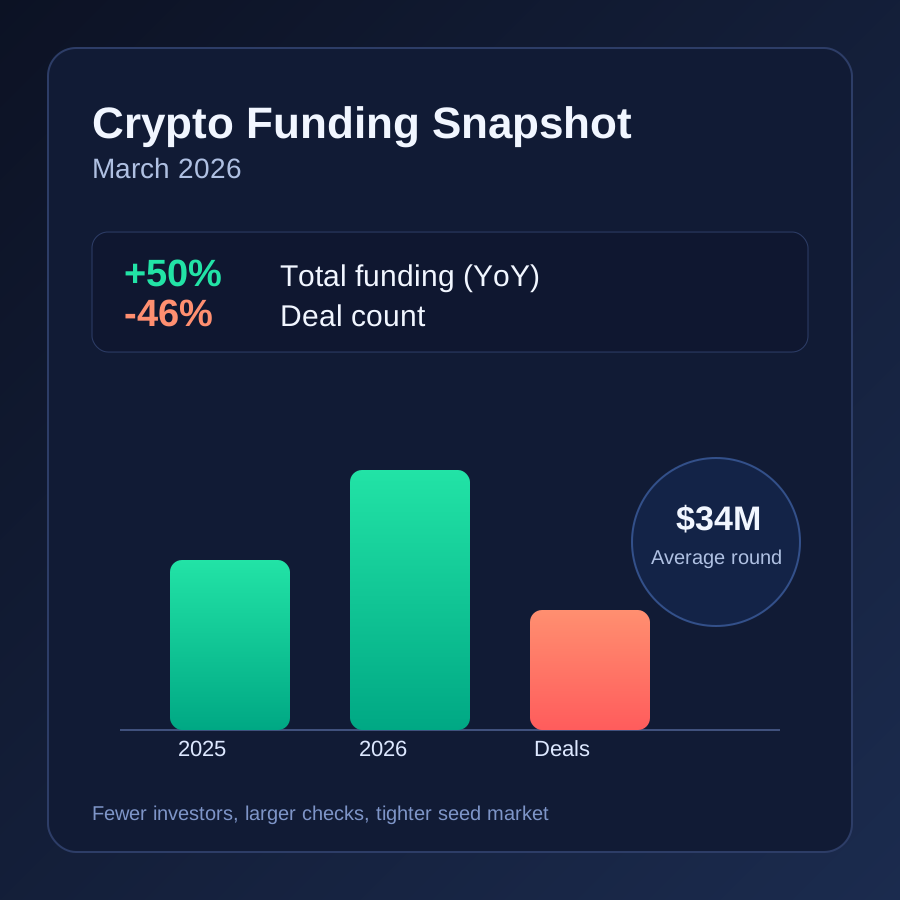
Key Funding Numbers to Watch in March 2026
The most important figures from the latest coverage are:
- Total funding up roughly 50% over 12 months
- Deal count down about 46%
- Average deal size up to approximately $34 million
- Active investors down around 34.5% to near 3,225
In practical terms, more dollars are being deployed, but into fewer companies. The money is concentrating, not spreading.
Why This Looks Like Capital Concentration
Cointelegraph’s breakdown also noted that in February 2026, three fundraising events represented about 44% of the month’s total capital raised.
When a small number of large rounds drive monthly totals, early-stage founders usually face:
- Longer fundraising cycles
- Higher diligence demands
- More pressure to show near-term revenue and distribution
This is a meaningful shift from broad seed-led expansion cycles where many smaller rounds set the tone.
What It Means for Crypto Sectors
Infrastructure and Compliance Rails
Investors typically prioritize durable picks-and-shovels during concentrated funding cycles. That includes custody, compliance, settlement, and B2B tooling.
This fits the broader policy-heavy environment we already covered in SEC Project Crypto and regulatory clarity.
DeFi and Consumer Applications
Consumer and DeFi teams can still raise, but competition for term sheets increases. Investors usually favor:
- Existing user retention
- Proven fee generation
- Lower token-incentive dependence
Projects with weak retention but high narrative momentum tend to get repriced faster in this type of market.
Bitcoin and Ethereum Market Liquidity
VC flow does not move spot prices as directly as ETF flows, but it still affects medium-term market depth through infrastructure expansion and market-making capacity.
For traders, this remains a secondary liquidity signal alongside:
- Bitcoin ETF inflows and institutional buying
- Stablecoin settlement growth
- Exchange balance trends in Bitcoin and Ethereum
Strategy Playbook for Founders and Investors
If this concentration pattern continues through Q2, teams should adapt now:
- Runway discipline first: prioritize 18-24 months of operating runway.
- Narrative plus metrics: pair category narrative with measurable retention and revenue.
- Partnership distribution: show real distribution channels, not only user acquisition spend.
- Capital mix: consider staged rounds, strategic angels, and ecosystem grants where relevant.
For investors, the key question is whether concentration remains a temporary late-cycle filter or evolves into a longer capital bottleneck for early innovation.
Risks That Could Change This Trend
Three conditions could quickly shift the funding structure:
- Macro easing surprise that improves broad risk appetite
- Stronger token market breadth that reopens exit confidence
- New fund closes from top-tier crypto-native VCs
If active investor count stabilizes and deal count begins to recover, concentration risk would likely ease.
References and Data Links
- Cointelegraph: Crypto Funding Up 50% in 12 Months Despite Fewer Deals
- RootData dashboard: Crypto Fundraising Dashboard
- RootData market update: February 2026 fundraising update
- Cointelegraph VC context: Crypto VC Roundup


